Karen
Karen 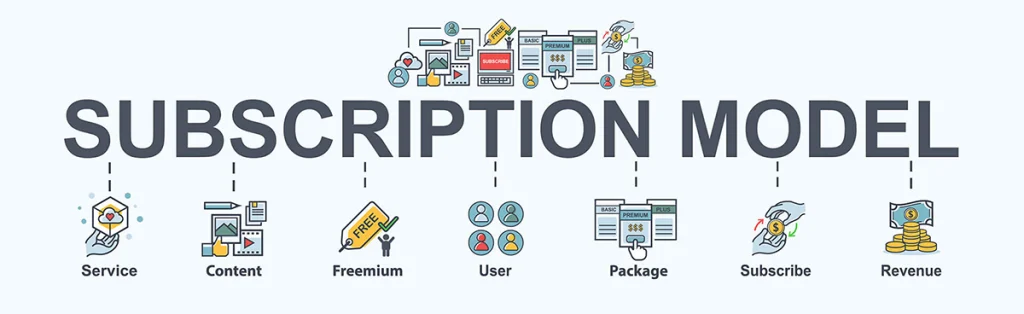
Let’s be honest—the way we buy professional services has been stuck in a time warp for decades. You hire a lawyer, an accountant, or a marketing agency, and you’re almost always looking at an hourly rate or a big, scary project quote. It’s like paying for a taxi by the mile when you could just have a car on retainer. But the ground is shifting. Subscription models—once the playground of software companies—are now crashing into the world of professional services with a force that’s hard to ignore.
And it’s not just about convenience. It’s about a fundamental rethinking of value, trust, and the client-provider relationship. So, what does that future actually look like? Well, it’s messy, exciting, and frankly, a little bit awkward in places. Let’s dive in.
Why the Shift is Happening Now
For years, the biggest barrier to subscriptions in professional services was the “scope creep” boogeyman. Firms were terrified of unlimited requests for a flat fee. Clients, on the other hand, were tired of feeling like they were bleeding money every time they picked up the phone. But a few things have changed.
First, technology has made delivery cheaper and more predictable. Cloud-based tools, automation, and AI-assisted workflows mean that a lot of the grunt work—data entry, compliance checks, basic reporting—can be done in the background. That frees up human experts to focus on the complex, high-touch stuff. Second, client expectations have evolved. We live in a Netflix-and-Spotify world. People expect to pay a recurring fee for access to value, not a one-off transaction for a deliverable.
Here’s the deal though: it’s not just about putting a monthly price tag on the same old services. That would be a disaster. The future is about re-bundling expertise into outcomes, not hours.
The “Membership” Mindset vs. The “Retainer” Trap
Let’s clear up a common confusion. A retainer is usually just a pre-paid block of hours. You buy 10 hours, you use 10 hours, done. A subscription, though, is a different beast. It’s a continuous relationship where the provider is invested in the client’s ongoing health, not just the completion of a task.
Think of it like a gym membership versus a personal training session. The session is transactional—you show up, you sweat, you leave. The membership is about a lifestyle change. You might not go every day, but the value is in the access and the habit. Successful professional service subscriptions will need to foster that same feeling of continuous progress. If a client feels like they’re just paying for a “pause button” on your time, the model falls apart.
What’s Actually Working Right Now
We’re not talking theoretical stuff here. Several models are already gaining traction, and they’re pretty clever. Let’s break down a few of the heavy hitters.
- The “Always-On” Advisory: This is the classic legal or accounting subscription, but done right. Instead of billing for every email, you pay a flat monthly fee for a dedicated advisor who knows your business intimately. You get unlimited (within reason) calls, document reviews, and proactive check-ins. The value prop? Peace of mind. You never hesitate to ask a “dumb” question because you’re not watching the meter run.
- The “Outcome-Based” Retainer: This is more common in marketing and SEO. You don’t pay for hours; you pay for a specific outcome—say, a certain number of qualified leads or a ranking for a set of keywords. It’s risky for the provider, but it aligns incentives perfectly. If they don’t perform, they don’t get paid. That’s a powerful motivator.
- The “Tiered Access” Model: This is straight out of the SaaS playbook. You have a “Basic” tier (maybe just access to a knowledge base and quarterly check-ins), a “Growth” tier (monthly strategy calls and priority email support), and a “Scale” tier (dedicated team, weekly meetings, and custom reporting). It’s a great way to serve small businesses and enterprise clients under one roof.
Honestly, the tiered model is probably the most scalable. It allows you to standardize your delivery while still giving clients a sense of control over their spend.
The Elephant in the Room: Scope and Value
Okay, let’s talk about the fear that keeps every managing partner up at night: “What if we get a client who just sucks us dry?” It’s a valid concern. But the solution isn’t to avoid subscriptions; it’s to design them better.
The future will rely heavily on data-driven guardrails. For example, a subscription might include a set number of “complex” tasks per month. Anything beyond that triggers a conversation or an upsell. But the key is to make those guardrails transparent from day one. Nobody likes hidden limits. In fact, the best subscriptions will use data to predict when a client is about to exceed their usage and proactively adjust the plan before it becomes a problem.
Another angle? Value-based pricing. Instead of charging for time, you charge for the impact. If you’re a CFO-for-hire, you might charge a small percentage of the cost savings you identify. If you’re a PR firm, you might tie your fee to the media coverage’s estimated advertising value. It’s not easy to measure, but it’s the holy grail of subscription design.
Technology as the Great Enabler
You can’t talk about the future without talking about the tools. Client portals are becoming the new front door. Imagine a dashboard where a client can see their project status, ask quick questions (like a Slack channel), and access a library of pre-recorded training videos—all for a flat fee.
AI is also playing a weird, wonderful role. It’s not replacing the expert, but it’s making the expert faster. A lawyer can use AI to review a contract in minutes instead of hours, which means they can serve more clients under a subscription without burning out. That’s the secret sauce—using tech to increase your capacity without increasing your headcount.
Challenges That Are Still Ugly
Let’s not sugarcoat it. There are some serious wrinkles to iron out. First, client churn. Subscriptions are sticky, but they’re also easy to cancel. If a client hits a slow season, they might slash your subscription before they slash their rent. That’s a real risk.
Second, the cultural shift within the firm itself. Senior partners who have billed by the hour for 30 years are going to resist this. They see the billable hour as the ultimate measure of productivity. Convincing them that a flat fee can be more profitable requires a leap of faith—and some serious financial modeling.
Third, there’s the commoditization trap. If you package your expertise into a subscription, you run the risk of looking like a commodity. Clients might start comparing your price to the cheapest option on the internet. The antidote? You have to constantly demonstrate unique value. Your subscription needs to feel like a partnership, not a utility bill.
| Model Type | Best For | Biggest Risk |
|---|---|---|
| Always-On Advisory | Legal, Accounting, HR | Unlimited scope creep |
| Outcome-Based | Marketing, SEO, Sales | Hard to measure success |
| Tiered Access | Consulting, IT Services | Complexity in delivery |
That table is a bit reductive, but it helps to visualize the landscape. The key is knowing which model fits your specific service DNA.
What the Next 5 Years Look Like
I suspect we’re going to see a hybrid world. The billable hour won’t die completely—it’s still useful for one-off, highly specialized litigation or complex M&A work. But for recurring, predictable services, subscriptions will become the default. We’ll also see more usage-based subscriptions, where the base fee covers a certain level of service, and then you pay a premium for spikes in demand. Kind of like your electric bill, but for brainpower.
Another trend? Ecosystem subscriptions. Imagine a platform where you subscribe to a bundle of services—legal, accounting, and IT—all through one provider or a network of vetted partners. This is already happening in the startup world, and it’s going to trickle down to main street.
There’s also the rise of the “micro-subscription”. For a small monthly fee, you get access to a specific template library or a monthly group Q&A session. It’s a low-cost entry point that builds trust and eventually upsells into a full-service retainer.
The Human Element Matters More Than Ever
Here’s the paradox of all this technology and automation: the more you automate, the more valuable the human touch becomes. A subscription model that feels cold and transactional will fail. The ones that succeed will feel like a membership to an exclusive club where you actually know the doorman’s name.
Clients are paying for certainty, not just deliverables. They’re paying for the absence of anxiety. When you frame it that way, the subscription isn’t just a pricing model—it’s a psychological safety net. And that’s a powerful thing to sell.
So, the future isn’t about replacing expertise with software. It’s about packaging expertise in a way that feels less like a transaction and more like a partnership. It’s about moving from “I’ll send you an invoice” to “I’ve got your back.”
That shift… it’s not just a business model change. It’s a mindset change. And honestly, it’s about time.
The firms that figure this out won’t just survive the disruption—they’ll define the next decade of professional services. The ones that cling to the hourly meter? Well, they might find themselves looking for a new way to bill for their time.
About Author