Karen
Karen 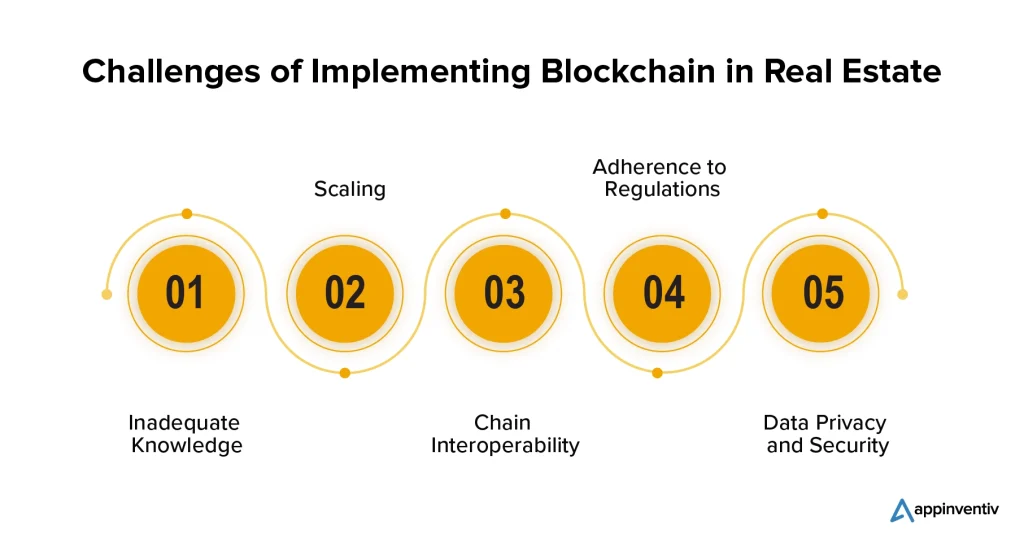
Real estate has a paperwork problem. Always has, honestly. Deeds get lost in county vaults, title searches take weeks, and somewhere in a filing cabinet there’s a signature nobody can quite verify. It’s a system held together by trust, notaries, and a whole lot of photocopies.
Now imagine that same transaction trail — every signature, every transfer, every timestamp — locked into a digital ledger that no one can quietly edit. That’s the promise of blockchain-based audit trails, and it’s quietly reshaping how property deals get recorded, verified, and trusted.
What Exactly Is a Blockchain Audit Trail?
Let’s break it down without the crypto hype. A blockchain is basically a shared record book. Every time something happens — a sale, a lien, a title transfer — it gets written down as a “block.” That block gets chained to the previous one using cryptography, which means changing an old entry would require rewriting everything after it. In practice? Nearly impossible.
An audit trail, then, is just the chronological story of who did what and when. Combine the two and you get a tamper-resistant history of a property’s entire life. Think of it like a birth certificate, diary, and receipt rolled into one — except nobody can backdate it or scribble in the margins.
Why Traditional Real Estate Records Fall Short
Here’s the deal: most property records live in county offices, title companies, and a dozen disconnected databases. That fragmentation creates real pain points.
- Title fraud — someone forges a deed and sells a home they don’t own. It happens more than you’d think.
- Slow verification — a title search can take days or weeks, dragging closings out.
- Human error — misfiled documents, typos in parcel numbers, missing signatures.
- Disputes — when records conflict, courts get involved, and everyone loses time and money.
Sure, digitizing records helped. But a scanned PDF in a county database isn’t the same as an immutable, verifiable record. Anyone with access can still alter it.
How Blockchain Audit Trails Actually Work in Property Deals
Picture a closing. Instead of a stack of papers shuffled between lawyers, each step gets logged on a distributed ledger.
- Property registration — the deed is hashed and recorded, creating a unique digital fingerprint.
- Ownership transfer — when the property sells, the new owner’s details are added as a new block.
- Liens and encumbrances — mortgages, easements, and tax claims get attached transparently.
- Smart contract execution — payment and title transfer can happen automatically once conditions are met.
- Permanent audit trail — every action is timestamped and visible to authorized parties.
No middleman shuffling folders. No “we’ll get back to you in five business days.” Just a clean, verifiable chain of events.
Real-World Applications Already in Motion
This isn’t purely theoretical. Several countries and companies are testing the waters.
| Region / Project | What They’re Doing |
|---|---|
| Sweden (Lantmäteriet) | Testing blockchain for land registry and property sales |
| Georgia (Republic of) | Recording land titles on a blockchain-backed registry |
| Dubai | Piloting blockchain for real estate transactions and permits |
| U.S. title companies | Exploring blockchain for title insurance and fraud prevention |
These pilots aren’t perfect. Some stalled, others scaled slowly. But the direction is clear — the industry is curious, and curiosity usually precedes adoption.
The Benefits That Actually Matter
Forget the buzzwords for a second. What does this mean for buyers, sellers, and lenders?
- Fraud drops — forged deeds become far harder to slip through.
- Closings speed up — verification happens in minutes, not weeks.
- Costs shrink — less manual labor, fewer intermediaries.
- Transparency increases — all parties see the same record in real time.
- Dispute resolution gets easier — the history is right there, unaltered.
That said, it’s not magic. Blockchain doesn’t fix bad data going in. If someone lies at the point of entry, the ledger just records the lie permanently. Garbage in, immutable garbage out — a phrase I wish more people repeated.
The Hurdles Nobody Talks About Enough
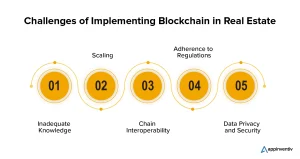
Adoption isn’t a straight line. There are real obstacles.
- Legal recognition — many jurisdictions don’t yet accept blockchain records as legally binding.
- Integration costs — county systems are old. Like, floppy-disk old.
- Privacy concerns — public ledgers and private property details don’t always mix well.
- Standardization — without shared protocols, blockchains become just another silo.
- Energy use — some consensus mechanisms guzzle electricity, though newer ones are far leaner.
And honestly? People resist change. Title attorneys, escrow officers, and county clerks have built careers on the current system. Asking them to pivot overnight is unrealistic.
What the Future Might Look Like
Fast forward a decade. You’re buying a house. Instead of a manila folder, you get a QR code linked to a blockchain record. Your lender, the seller, the county, and your attorney all see the same data. The closing takes an afternoon. The deed transfers instantly. And if anyone ever questions ownership, the answer is one click away.
It won’t happen everywhere at once. Rural counties and developing markets will move at different speeds. But the direction feels inevitable — because the current system’s cracks are getting harder to ignore.
Final Thoughts
Blockchain-based audit trails won’t replace notaries or lawyers tomorrow. They’re not a silver bullet. But they offer something the real estate world desperately needs: a trustworthy, unchangeable record of truth. In an industry built on paperwork and promises, that’s a quiet revolution worth watching.
About Author